

Introduction

I’ve managed payroll the old way and the modern way, and the difference is night and day. With Malaysia’s regulatory landscape evolving and teams increasingly mobile, a reliable, mobile-first payroll system is now a must-have. In this guide, I’ll walk you through what I look for in cloud payroll, which tools stand out in Malaysia this year, and how to compare them confidently. My goal is to help you pick a solution you can trust, so payday is accurate, compliant, and stress-free. As SMEs in Malaysia navigate the complexities of HRMS and payroll software, choosing the right cloud payroll system can streamline operations and ensure long-term compliance with local regulations like EPF, SOCSO, EIS, and PCB.
Introduction to Cloud Payroll Solutions for Successful Businesses
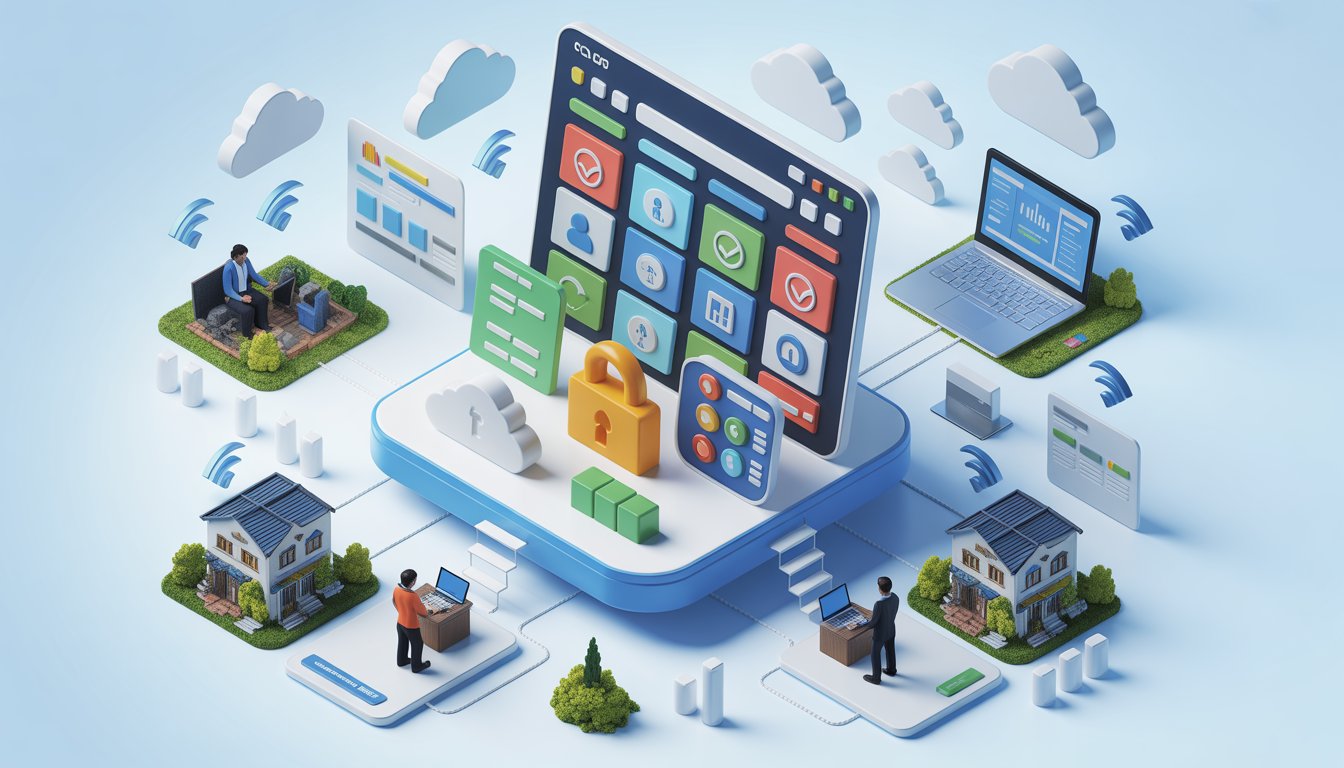
Cloud payroll solutions centralize HR and payroll in one secure platform, accessible from anywhere. For Malaysian SMEs and growing companies, the right system should balance compliance, usability, and reliability. Below, I’ll break down the core building blocks I consider essential for long-term success, focusing on how these features enhance daily operations and support business growth in Malaysia’s dynamic market.
Integrate with the software you already use for seamless operations
Integration is where daily friction disappears. I prefer systems that sync with accounting, HR, and attendance tools, so data flows without manual re-entry. This reduces errors, saves time, and keeps every department aligned. For Malaysian businesses, seamless integration with local tools ensures that payroll data aligns perfectly with financial reporting, making it easier to maintain accurate records and comply with regulatory requirements.
User roles for customized access and security
Not everyone needs access to everything. Role-based permissions let me grant the right visibility to HR, finance, and managers without exposing sensitive payroll details. This approach strengthens security and creates accountability. In the context of Malaysia payroll software, such features are crucial for protecting employee data under PDPA guidelines, while also allowing efficient collaboration across teams.
Employee kiosk for self-service convenience
Self-service is a win for both HR and staff. Employees can view payslips, update details, and apply for leave without emails back and forth. It also builds trust because information is transparent and always available. For SMEs using cloud payroll in Malaysia, this kiosk reduces administrative burdens and empowers employees, leading to higher satisfaction and fewer HR inquiries.
Reporting suite for insightful analytics
Good reporting answers questions before they’re asked. I look for dashboards and exportable reports that show payroll costs, headcount trends, and overtime patterns. When insights are easy to access, better decisions follow. In Malaysia’s competitive business environment, these analytics help companies optimize expenses and forecast staffing needs more effectively.
Customer support and training for smooth implementation
Even great software needs a helpful support team. I value vendors who offer clear onboarding, local expertise, and quick responses. This shortens the learning curve and builds confidence in the first few cycles. For Malaysian users, having support in local languages and time zones ensures that any issues with HRMS Malaysia systems are resolved promptly, minimizing downtime.
General ledger posting for accurate financial tracking
Payroll hits the books every month, so GL posting must be precise. Automated mappings reduce manual journal entries and keep accounts tidy. It also makes audits and month-end closing far less painful. Integrating this with cloud payroll systems in Malaysia streamlines financial workflows, ensuring compliance with IRBM standards and reducing reconciliation efforts.
Defined work patterns to manage schedules efficiently
Work patterns affect overtime, allowances, and shift pay. Configurable patterns help me reflect real-world schedules without messy exceptions. That means fewer disputes and more predictable payroll runs. This is particularly useful for industries in Malaysia with variable shifts, like manufacturing or retail, where accurate tracking leads to fair compensation and better employee relations.
Document storage for secure record-keeping
Payroll and HR generate a lot of paperwork. Centralized, secure storage keeps contracts, payslips, and letters organized and searchable. It also supports compliance and fast retrieval during audits. For businesses adopting cloud payroll Malaysia solutions, this feature ensures all documents are stored securely in the cloud, accessible only to authorized personnel and compliant with data protection laws.
Custom fields for tailored data management
Every business tracks unique information. Custom fields let me capture role-specific data without spreadsheets on the side. This keeps profiles complete and analytics more meaningful. In the Malaysian context, customizing fields for local requirements like tax reliefs or ethnic reporting enhances the usability of payroll software for diverse workforces.
Cost centre reporting for budgeting and analysis
When payroll is your biggest expense, visibility matters. Cost centre tagging shows where money is spent by department, project, or site. With these insights, budgeting becomes a practical, data-led exercise. Malaysian SMEs benefit from this by gaining granular control over costs, which is essential for scaling operations without overspending.
Top Cloud Payroll Software Options in Malaysia
Malaysia has several strong options that balance compliance, usability, and price. I’ve seen consistent interest in QNE, Autocount HRMS, and SkyBiz thanks to their breadth of features and local support. Here’s how each one typically positions itself in 2025, providing reliable solutions for businesses seeking efficient Malaysia payroll software.
QNE Cloud Payroll and HR Solution: Free, Standard, Professional plans
QNE offers tiered plans that scale from basic to advanced functions. The Free plan helps very small teams get started without cost, while Standard and Professional unlock deeper HR and analytics features. It’s attractive for SMEs that want to start simple and upgrade as needs grow. This flexibility makes QNE a popular choice for growing businesses in Malaysia, where budget constraints often dictate initial software adoption.
Autocount HRMS: Easy management anywhere, anytime with integration to accounting
Autocount HRMS emphasizes a mobile-first experience and strong links to Autocount Accounting. This integration is useful for finance teams who want clean GL postings and fewer reconciliations. It’s designed for businesses that need a dependable, all-in-one HR and payroll workflow. In Malaysia, where seamless financial integration is key, Autocount HRMS stands out for its ability to reduce errors and enhance overall efficiency.
SkyBiz: Cloud-based system with e-attendance, e-leave, e-claim, e-payroll, and multi-user access
SkyBiz focuses on unifying HR modules in a single cloud interface. With e-attendance, e-leave, e-claim, and e-payroll, it aims to streamline admin work across the employee lifecycle. Multi-user access and role controls keep collaboration structured and secure. For Malaysian companies, this all-in-one approach simplifies compliance with local labor laws and improves productivity through integrated tools.
Key Features of Cloud Payroll Software
Beyond brand names, I evaluate core capabilities that directly improve accuracy and efficiency. In Malaysia, compliance and mobile usability are especially important. These are the features I weigh most heavily when comparing tools, ensuring they align with the needs of HRMS Malaysia users.
Streamlined payroll processing
A streamlined process means fewer clicks and fewer mistakes. I look for guided steps, validation checks, and clear previews before finalizing. That confidence matters on tight cut-off days. For cloud payroll in Malaysia, this efficiency helps meet strict deadlines imposed by statutory bodies like LHDN.
Compliance with Malaysian regulations
Compliance in Malaysia covers EPF, SOCSO, EIS, and PCB. I prefer systems that update rates and forms automatically when rules change. This lowers risk and avoids costly penalties. Staying updated is crucial as regulations evolve, ensuring businesses remain compliant without manual interventions.
Automated processes for efficiency
Automation removes repetitive admin work. Calculations, recurring allowances, and batch updates should run like clockwork. When the system handles routine tasks, HR can focus on people, not paperwork. In the Malaysian market, this leads to significant time savings for SMEs with limited HR resources.
Detailed reporting and analytics
Good analytics turn raw data into decisions. I want breakdowns by cost centre, department, and pay element. Export options to CSV or PDF make sharing simple and consistent. These insights are invaluable for strategic planning in competitive industries across Malaysia.
Dashboard for quick overviews
A clear dashboard keeps everyone on the same page. I look for visual summaries of pay runs, pending tasks, and compliance alerts. With a glance, I know what needs attention today. This feature enhances decision-making speed for busy managers in Malaysia’s fast-paced business environment.
Employee Self-Service (ESS) portal
ESS empowers staff and lightens HR’s workload. Employees can view payslips, update details, and submit requests from their phones. It’s especially useful for distributed and deskless teams. In Malaysia, where mobile usage is high, ESS portals boost employee engagement and reduce administrative costs.
E-payment and electronic submission
E-payments speed up payday and reduce bank errors. Electronic submissions to LHDN and statutory bodies cut paperwork and queue time. Together, they modernize the entire payroll cycle. This is particularly beneficial for Malaysian businesses aiming to digitize operations fully.
Why Choose Autocount HRMS
While all three solutions serve Malaysian businesses well, Autocount HRMS stands out for reliability and accounting integration. I’ve found its mobile responsiveness and update cadence reassuring during busy months. Here’s where it shines in day-to-day use, making it a top contender in the HRMS Malaysia landscape.
Easy management anywhere, anytime
Access from any device makes approvals and checks effortless. I can review runs, address queries, and keep work moving while on the go. That flexibility keeps payroll on schedule. For remote teams in Malaysia, this ensures continuity even during travel or off-site work.
Integration with Autocount Accounting
When HR and finance are in sync, closes are smoother. Autocount’s native link to Autocount Accounting streamlines postings and reconciliation. It reduces manual entry and the risk of mismatches. This integration is a game-changer for Malaysian SMEs handling both HR and accounting in-house.
Packed with essential HR features
The suite covers the everyday tasks HR teams juggle. From profiles to leave, claims, and attendance, it brings structure to routine work. Everything connects back to payroll cleanly. Businesses in Malaysia appreciate how these features simplify compliance and daily management.
E-leave, e-claim, e-attendance, e-payroll in one app
Having core modules in one place reduces context switching. Data flows from time and claims directly into pay elements. That continuity improves accuracy and cuts processing time. In Malaysia’s regulatory environment, this unified approach minimizes errors in statutory contributions.
Automatic software and regulatory updates
Regulatory updates in Malaysia can be frequent. Automatic updates ensure EPF, SOCSO, EIS, and PCB settings stay current. I can run payroll with confidence every month. This reliability is essential for avoiding penalties and maintaining smooth operations.
Manages both HR and payroll seamlessly
When HR and payroll sit on a single platform, exceptions are easier to handle. Changes in grade, allowances, or work patterns propagate correctly. That joined-up design keeps operations steady and predictable. For growing Malaysian companies, this seamlessness supports scalability without added complexity.
Managing Payroll with Configurable Systems
Configurability is what makes a solution fit your business, not the other way around. I look for settings that reflect how your teams actually work. Here’s how a flexible system supports everyday operations, particularly in the context of cloud payroll Malaysia needs.
E-attendance tracking
Accurate attendance feeds accurate pay. I want location-aware clock-ins, shift rules, and audit trails. These controls prevent disputes and protect both staff and employer. In Malaysia, where labor laws require precise records, this tracking ensures compliance and fair wage calculations.
E-leave management
Clear leave policies reduce back-and-forth. Self-service requests, manager approvals, and balance visibility keep everyone aligned. Integration ensures leave impacts payroll correctly. Malaysian businesses benefit from this by maintaining accurate leave accruals and avoiding overpayments.
E-claim processing
Claims should be quick to submit and easy to verify. Photo receipts, category rules, and policy limits keep spending compliant. Approved claims then flow directly into the next pay run. This streamlines reimbursement processes for companies across Malaysia, enhancing employee satisfaction.
E-payroll automation
Automation is the heartbeat of a reliable payroll cycle. Templates, recurring items, and exception handling keep runs consistent. The result is faster processing and fewer errors. In Malaysia’s fast-paced market, this automation allows HR teams to focus on strategic initiatives rather than manual tasks.
E-HR management tools
HR tools provide the structure teams rely on. I value centralized profiles, letters, and onboarding workflows. These tools keep records accurate and ready for audits. For SMEs in Malaysia, they simplify employee lifecycle management from hiring to retirement.
Cloud-based access anytime, anywhere
Cloud access meets today’s flexible work styles. Managers approve on the move, and employees check payslips from their phones. Everyone stays connected without VPN headaches. This is ideal for Malaysia’s mobile workforce, ensuring productivity regardless of location.
Modern, multi-screen and mobile-responsive interface
A clean, responsive UI reduces training time. I prefer layouts that adapt to tablets and phones naturally. When screens are intuitive, adoption follows. Malaysian users appreciate interfaces that support local languages and intuitive navigation for quick tasks.
Multi-user access with security standards
Strong controls protect sensitive data. Role-based permissions, MFA, and activity logs are non-negotiable for me. They create trust across HR, finance, and leadership. In compliance-heavy Malaysia, these standards safeguard against data breaches and ensure regulatory adherence.
Designed for small, medium, and large organizations
Scalability matters as teams grow. I look for pricing and features that stretch from SMEs to multi-entity setups. That way, you won’t outgrow your system. This makes it suitable for Malaysia’s diverse business sizes, from startups to established enterprises.
Automatic software updates and database backup
Automatic updates keep the system secure and compliant. Managed backups protect against accidental loss and downtime. This is the reliability businesses count on during payroll week. For Malaysian operations, it provides peace of mind against unexpected disruptions.
Try all features for 30 days to find the best plan
Trials help you validate fit before committing. I recommend simulating a full cycle with dummy data and approvals. You’ll see how the system behaves under real conditions. In Malaysia, taking advantage of such trials can help align the software with specific local needs.
Compare Plans and Features
Comparison is easiest when you map features to your must-haves. I start with compliance, mobile usability, integrations, and reporting, then layer on HR modules. The table below provides a simple, high-level view to guide conversations with vendors, aiding in payroll comparison Malaysia.
Overview of free vs. standard vs. professional options
Free tiers are great for testing, but often limit users or modules. Standard plans typically unlock core HR and better reporting, which suits many SMEs. Professional tiers add advanced analytics, deeper integrations, and larger user allowances. Understanding these differences helps Malaysian businesses select the right level for their growth stage.
Feature-by-feature comparison across top solutions
Use this as a snapshot to shortlist options, then verify details with each vendor. Feature availability can change with updates, add-ons, or headcount tiers. When in doubt, run a pilot and check everyday workflows end-to-end. This comparison is essential for identifying the best cloud payroll Malaysia fit.
| Feature | QNE Free | QNE Standard | QNE Professional | Autocount HRMS | SkyBiz |
|---|---|---|---|---|---|
| Malaysian compliance (EPF/SOCSO/EIS/PCB) | Basic | Yes | Yes | Yes | Yes |
| Mobile-first ESS | Limited | Yes | Yes | Yes | Yes |
| Integration to accounting | Limited | Available | Advanced | Native to Autocount Accounting | Available |
| e-Attendance / e-Leave / e-Claim | Limited | Yes | Yes | Yes | Yes |
| Advanced analytics | No | Basic | Advanced | Advanced | Basic to Advanced |
| Multi-entity / cost centres | No | Available | Yes | Yes | Available |
| Support and training | Community | Standard | Priority | Local support | Local support |
HRMS FAQs
Here are the questions I’m most often asked by Malaysian SMEs starting a cloud payroll journey. I’ve answered them based on hands-on implementations and current 2025 practices. Use these as a checklist when you speak with vendors, especially when evaluating HRMS Malaysia options.
How long does cloud payroll implementation take for an SME in Malaysia?
For a small team, I usually see a two to four week timeline. That includes data preparation, initial configuration, and one or two parallel runs. Larger teams or complex policies may extend the timeline, but a structured plan keeps everything on track. Malaysian SMEs often find that partnering with local vendors accelerates this process and addresses region-specific challenges.
How are EPF, SOCSO, EIS, and PCB updates handled?
Top vendors push regulatory rate and form updates automatically. I still verify sample calculations after each update to be safe. With a proper release process, your monthly cycles continue without disruption. This automation is vital in Malaysia, where statutory changes can occur frequently and impact payroll accuracy.
Is my payroll data secure in the cloud?
Look for encryption at rest and in transit, MFA, and activity logs. Ask about data residency, backups, and disaster recovery objectives. Certifications and regular penetration tests are good indicators of a mature security posture. For businesses in Malaysia, ensuring data is stored locally can also help comply with national data protection regulations.
Can employees use their phones for payslips and leave?
Yes, modern ESS portals are mobile-first by design. Staff can view payslips, update profiles, and submit leave or claims anywhere. This reduces HR admin and gives employees instant visibility. In Malaysia’s high mobile penetration market, this feature significantly enhances user adoption and satisfaction.
What should I prepare before migrating from Excel or desktop payroll?
Clean your master data first—names, IC numbers, bank details, and balances. Document pay elements, allowances, and policy rules you want configured. Then plan one or two parallel runs to validate results before fully switching over. Proper preparation minimizes migration risks and ensures a smooth transition to cloud payroll in Malaysia.
Start Your Payroll Journey Now
If you’re evaluating options this year, block time for a proper pilot. Hands-on testing with real scenarios will reveal strengths and gaps quickly. The sooner you validate fit, the sooner you’ll enjoy reliable, on-time payrolls. Embracing cloud payroll Malaysia solutions can transform your HR processes, making them more efficient and compliant for the long term.
Sign up for a 30-minute free assessment
A brief discovery call helps clarify needs, timelines, and must-have features. We can map your current process and identify where automation saves the most time. You’ll finish with a clear shortlist and an action plan. This assessment is a low-commitment way for Malaysian SMEs to explore payroll comparison Malaysia options.
Choose the best solution for your SME
Compare costs in RM, check integration paths, and confirm support levels. Run a parallel pay cycle and gather feedback from HR, finance, and managers. When accuracy, compliance, and usability align, you’ve found your fit. Selecting the right system ensures your business thrives in Malaysia’s evolving regulatory landscape.